
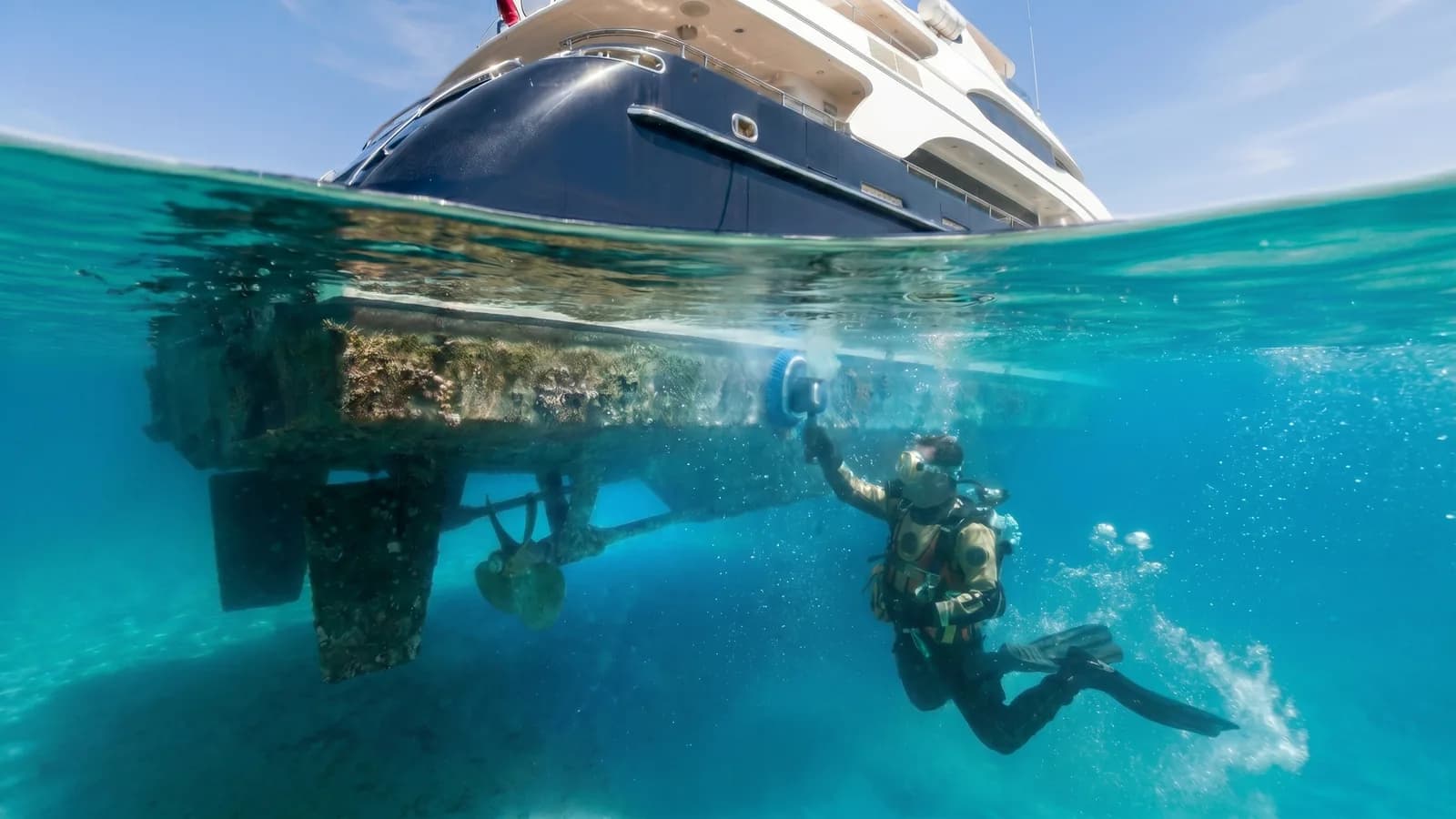
Scheduled Hull Cleaning
Recurring hull cleaning that keeps growth in check, protects your bottom paint, and holds performance steady between haul-outs.
StandardRequest a quote
Eight specialist services, delivered on a schedule that works for your vessel and how you use it.
Recurring hull cleaning that keeps growth in check, protects your bottom paint, and holds performance steady between haul-outs.
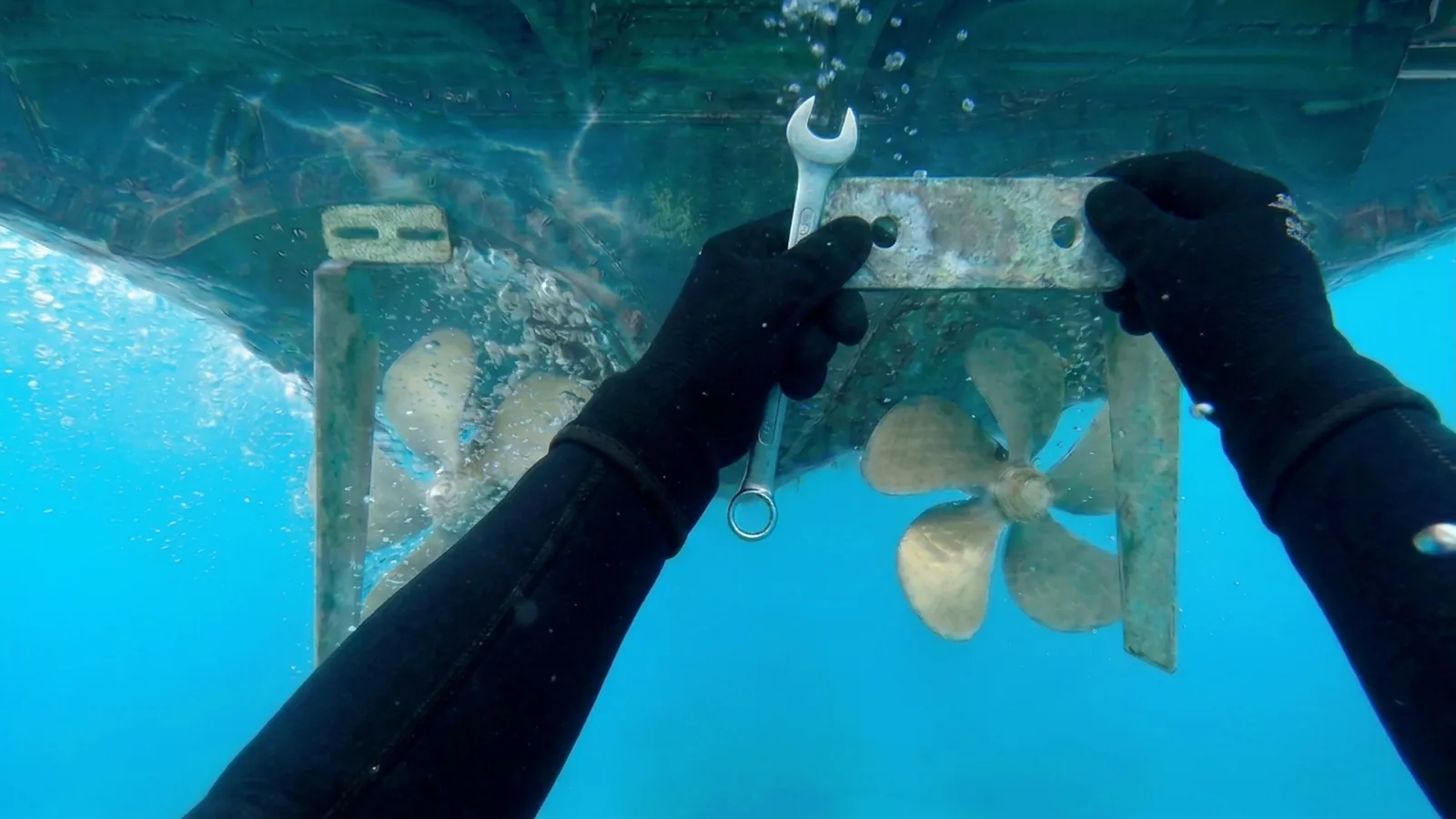
Inspection and replacement of the sacrificial anodes that protect your running gear and through-hull metals from galvanic corrosion.
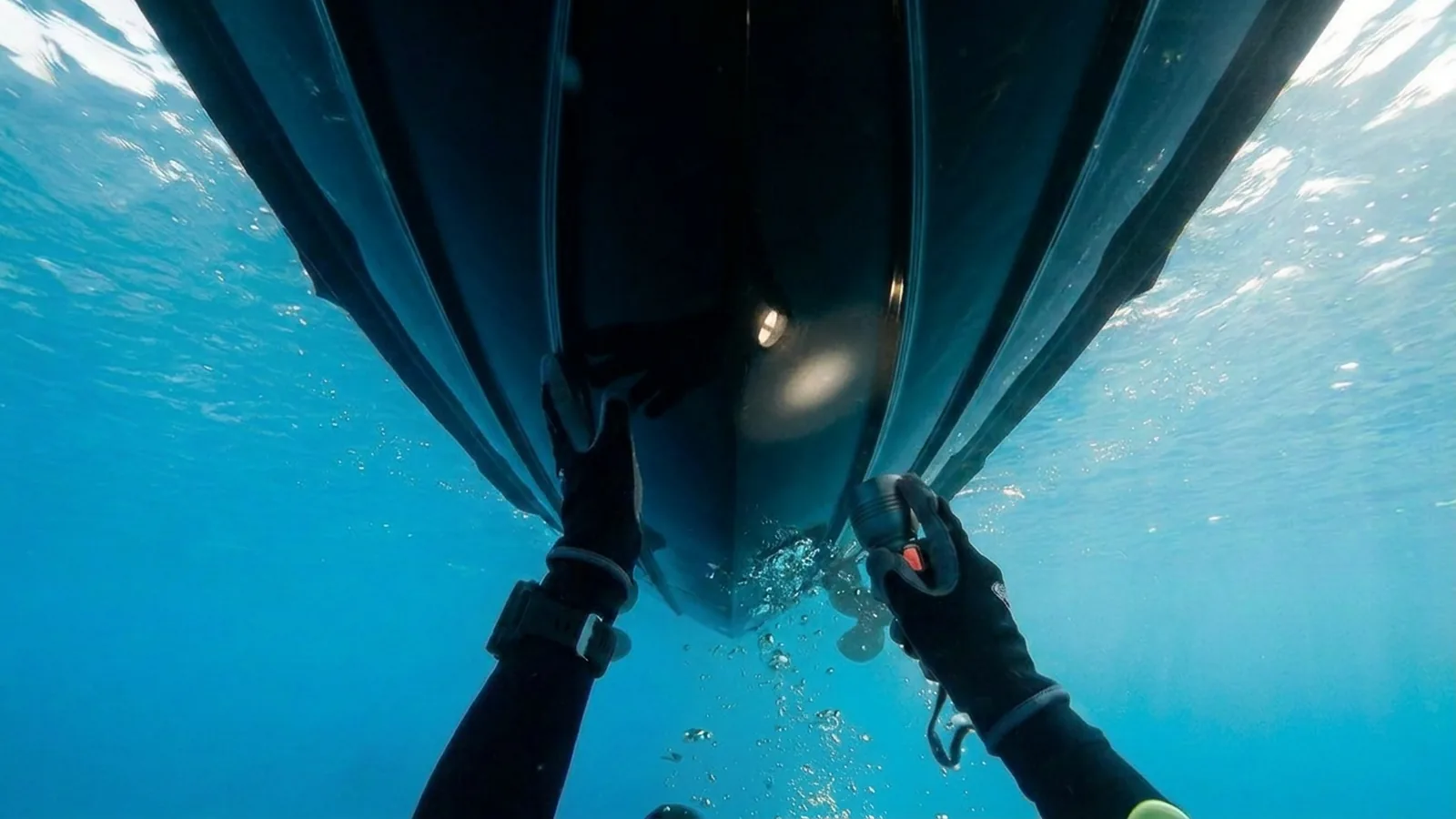
Every hull service includes a visual inspection of the hull, running gear, and zincs, noted in your report. Deeper, dedicated inspections are available on request.
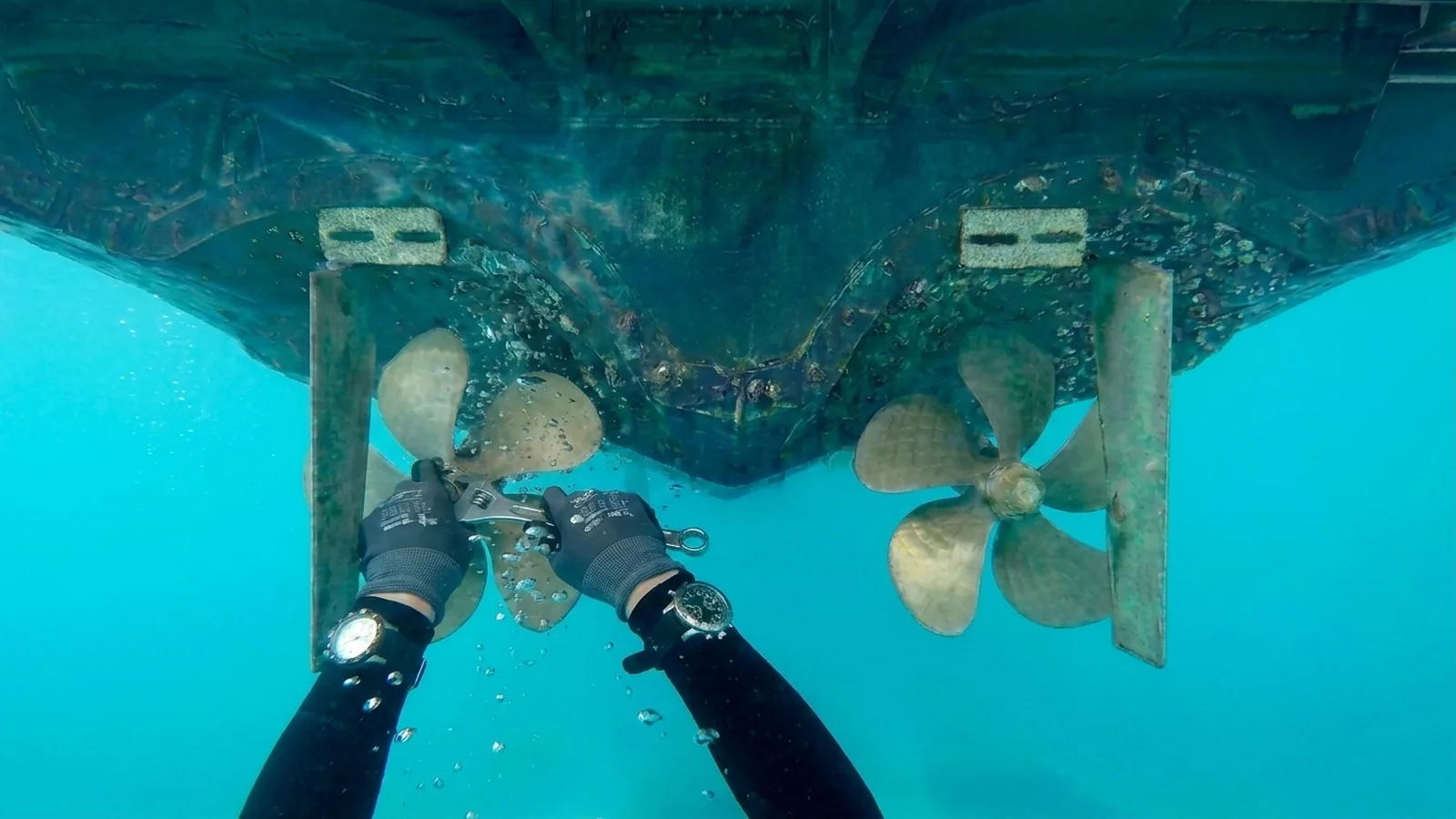
Underwater cleaning and condition care for propellers and running gear, the hardware that turns engine power into clean, efficient motion.
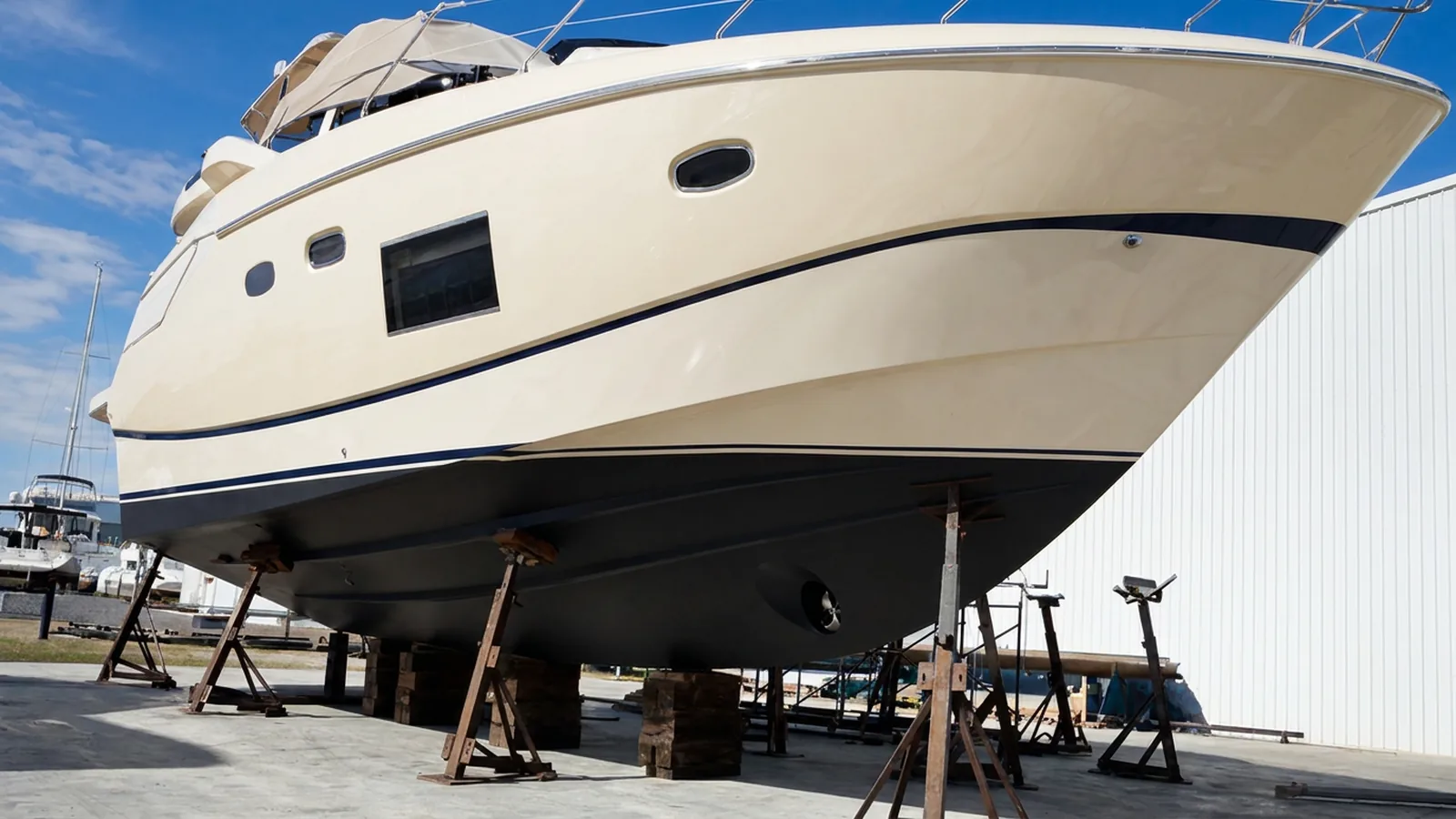
Guidance and coordination for bottom paint: knowing when the antifouling is spent, what to apply, and how to time the work around your season.
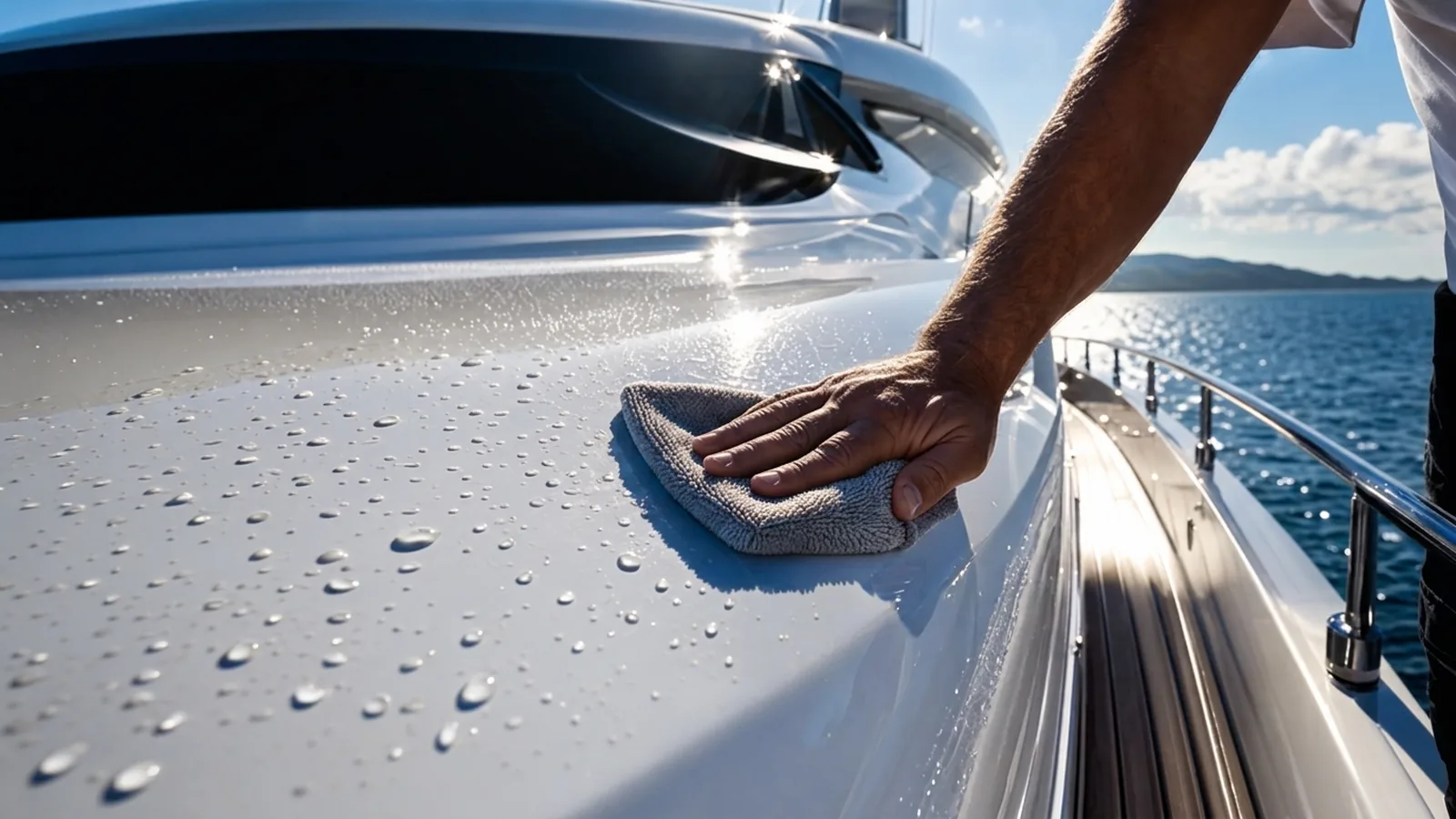
Above-the-waterline care that keeps the visible boat looking as well-kept as the hull beneath it, coordinated with your underwater service.
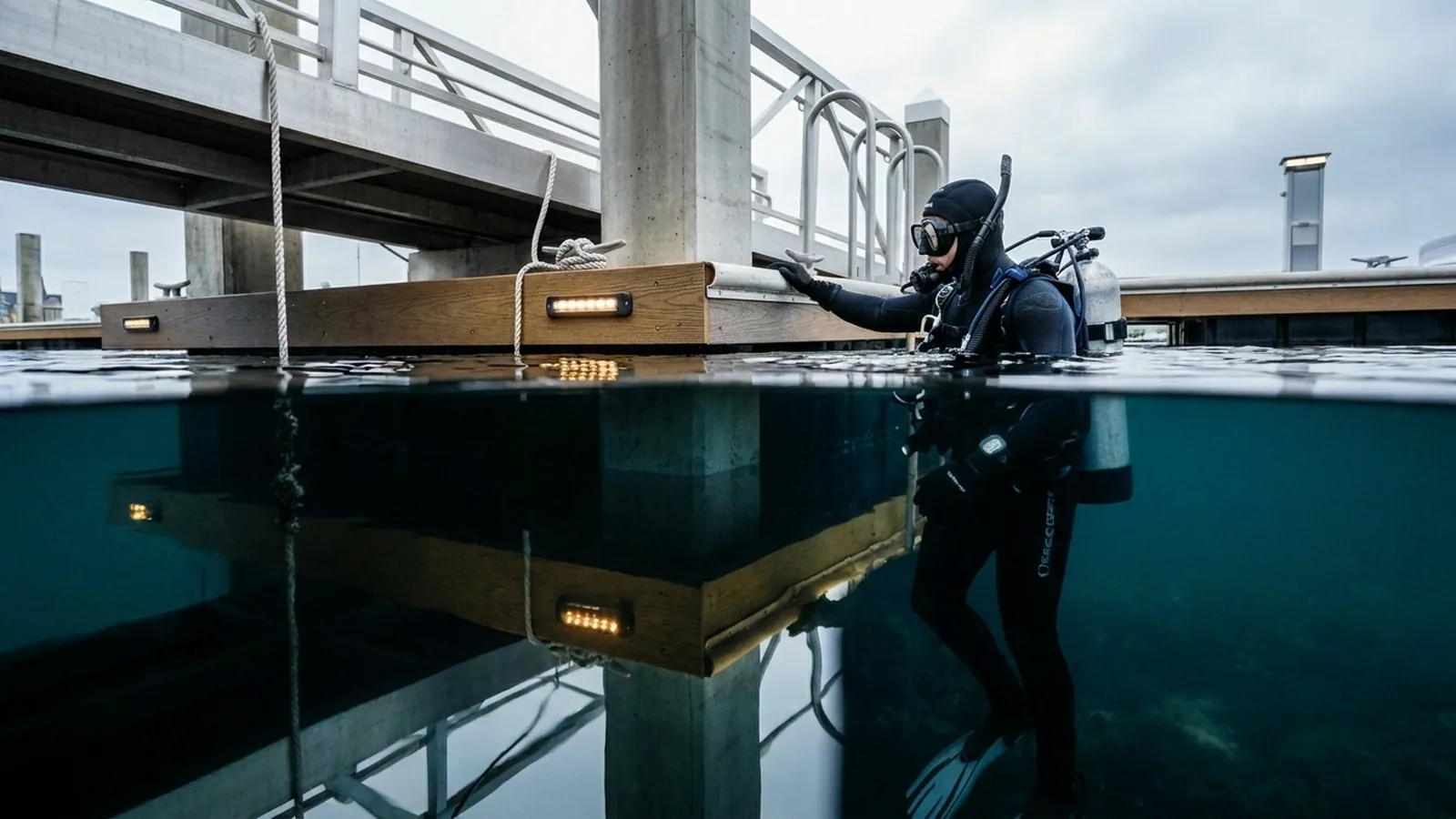
A from-the-water inspection of your dock: pilings, framing, lines and cleats, and the under-dock condition you cannot see from above. It is documented with notes and, where useful, photo and video.
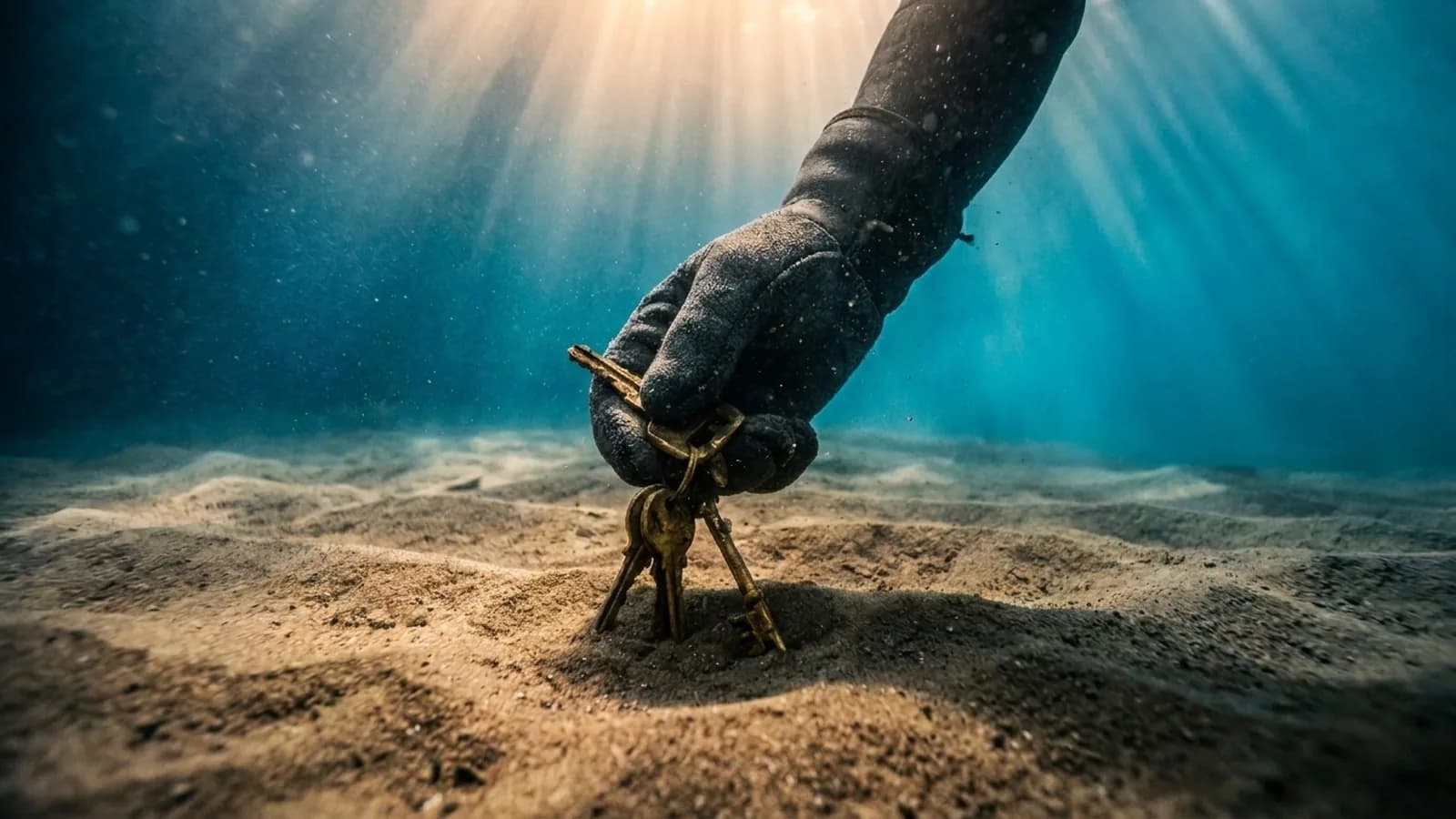
When a phone, keys, sunglasses, a tool, or a winch handle goes over the side, we recover what a diver can locate and bring up by hand. This is light recovery, not salvage; if it takes more than two hands, we will point you to the right outfit.
Don’t see what you need? Request a custom quote
Common Questions
Answers about how each service is scheduled, performed, and documented across Southern California.
In Southern California, most hulls are cleaned every four to six weeks. Warm water and long daylight grow fouling quickly, so a regular cadence keeps the work light and protects the paint far better than occasional deep cleans.
Not when it is done on schedule. Frequent, light cleaning lets us use soft pads that lift growth without stripping antifouling. Paint wears fastest when a hull is left until the growth is heavy and only aggressive scrubbing will remove it.
No. We work from the water and need only dock access. You receive a note after each visit describing the hull condition and anything worth watching, so you stay informed without having to be there.
A healthy anode looks rough and gray and still carries most of its mass. Once it is eroded past roughly half, it is no longer protecting reliably and should be replaced. We track this on every visit so it never reaches that point unnoticed.
With no anode left to sacrifice, the next-most-active metal corrodes instead, usually your propeller, shaft, or underwater fittings. Replacing a worn anode is routine; repairing the gear it was protecting is not.
Stray current in a marina, shore-power wiring, dissimilar metals, and your bonding system all change how fast anodes are consumed. Two boats in the same harbor can be on very different schedules, which is why we set yours from observed wear rather than a calendar.
Yes. Every dive includes a visual inspection of the hull, running gear, and zincs, and the condition is noted in your service report. You stay informed without booking anything extra.
Yes. When you are buying a boat we schedule a dedicated underwater inspection with date-stamped photo and video documentation, giving you an independent record of what is below the waterline before you commit. It complements a full marine survey.
We examine the full underwater hull, propellers, shafts, struts, rudders, through-hulls, and anodes, then document the condition with date-stamped photos and video and provide a written summary.
Significantly. Even light growth on the blades disrupts the water flow a propeller relies on, costing speed and fuel and adding vibration. A clean prop is one of the most immediate, noticeable gains you can give a boat.
We clean running gear as part of underwater service, on the same cadence as the hull, so the whole underwater body of the boat stays in condition together. Standalone prop attention is available when a vessel needs it.
During service we watch for the visible signs of trouble: pitting, a bent or chipped blade, play in the shaft, or line wrapped at the hub. We flag anything that warrants a closer look or a haul-out. Catching it underwater is far less costly than discovering it later.
Most vessels are repainted every one to three years. The exact interval depends on the type of antifouling, how often the boat is used, and how well the hull is maintained between coats. Regular cleaning extends the life of any paint system.
The signs are a coating that no longer releases growth easily, visible thinning or bare patches, and fouling that returns faster after each cleaning. Because we service your hull through the year, we can flag these changes well before they become a problem.
Bottom painting is done out of the water at a yard. We advise on timing and paint selection, coordinate the work, and then protect the fresh coating with a proper cleaning cadence once the boat is relaunched.
It covers care above the waterline: hull sides, boot stripe, deck, and cockpit, all kept up between larger details so the visible boat matches the condition of the hull below. The exact scope is set to your vessel.
Yes, and that is how most owners use it. Aligning topside care with your underwater cleaning cadence means the whole boat is maintained on one rhythm, with fewer separate appointments to manage.
Topside service keeps a boat consistently presentable between major details rather than replacing them. For a complete restorative detail we will tell you plainly when that is the better call and help you plan it.
We assess the parts of the dock that live in and under the water: pilings, framing and bracing, fasteners, and the underside of the structure. We also check the lines, cleats, and hardware your boat depends on. The condition is documented in plain language, with photo and video where it helps.
No. We work from the water and need only access to the slip. You receive notes on what was found and anything worth watching, so you stay informed without having to be on the dock.
There is no single rule. A seasonal look, a check after a stretch of heavy weather, or a one-off when something seems off all make sense. We will suggest a sensible interval for your slip and how your vessel is used.
Small items a diver can locate and lift by hand: phones, keys, sunglasses, tools, winch handles, and dinghy gear. If it can be found on the bottom and carried up in two hands, it is in scope.
The limit is simple: what one diver can find and lift unaided, with no lifting equipment. We do not do salvage: no vessels, no engines, no outboards, nothing that needs rigging or machinery. If it takes more than two hands, we will point you to a proper salvage operator.
Right away. Items shift, silt settles, and current moves things; the sooner we are in the water near the last-known spot, the better the chance of a clean recovery. There is no guarantee, and we will be honest about the odds before we start.
Established
1987
39 years caring for Southern California yachts
Serving
Southern California
Newport Harbor to Marina del Rey
Certified
Ready to get started
Share your boat details and where it’s berthed. We’ll review the information and respond within one business day.
Request a Quote